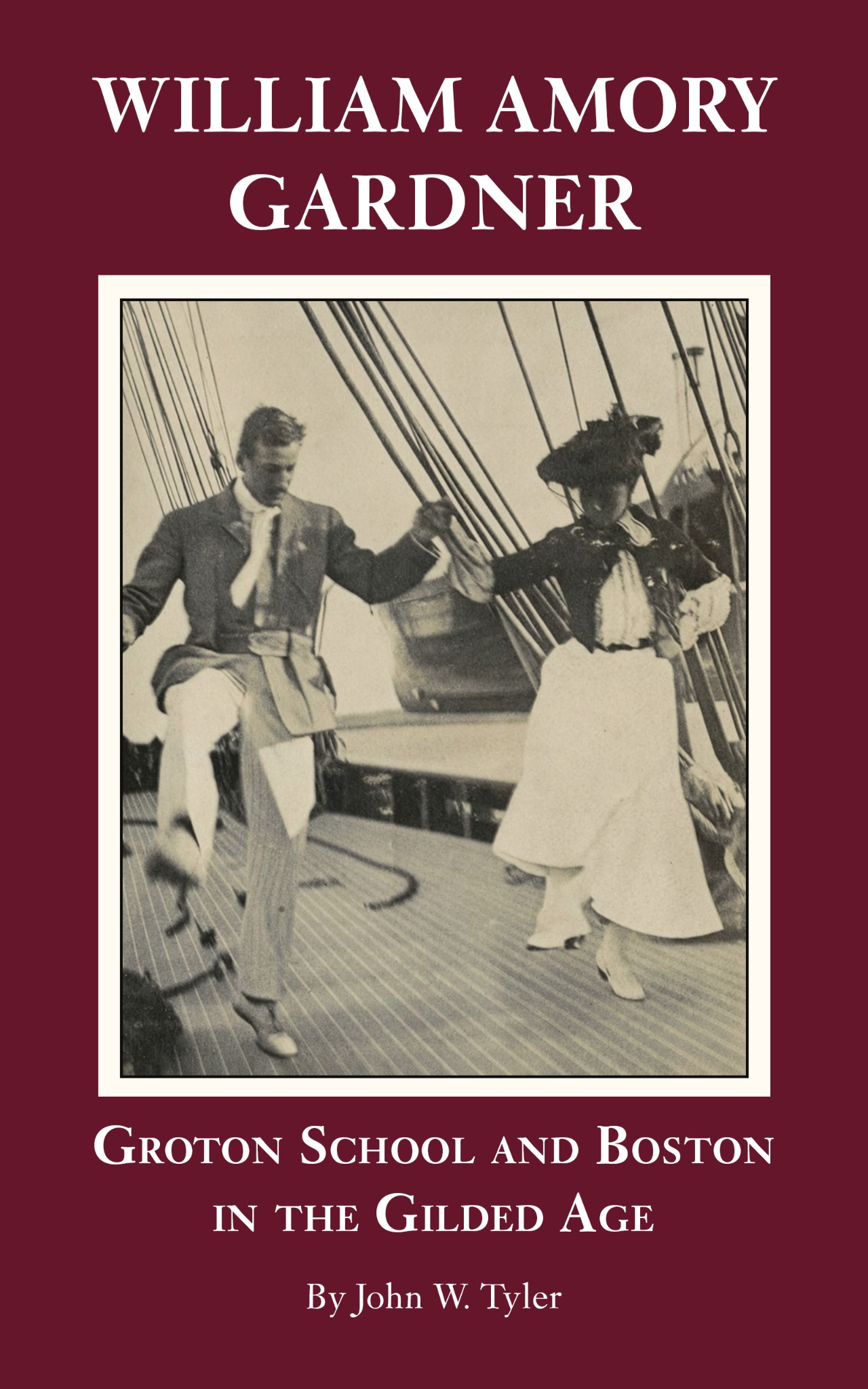
A forgotten figure in a remarkable world
William Amory Gardner inhabited two of the most distinctive worlds of Gilded Age America: the newly-founded Groton School and the socio-cultural milieu of his celebrated aunt, Isabella Stewart Gardner.
An accomplished classicist and brilliant, if eccentric, teacher, Gardner was one of the three founders of Groton School. He helped create an innovative education for America's elite based on Christian principles and a unique “family” environment.
Through his aunt, Gardner knew many of Boston's leading cultural and intellectual figures, including Henry James, John Singer Sargent, George Santayana, and Henry Cabot Lodge.
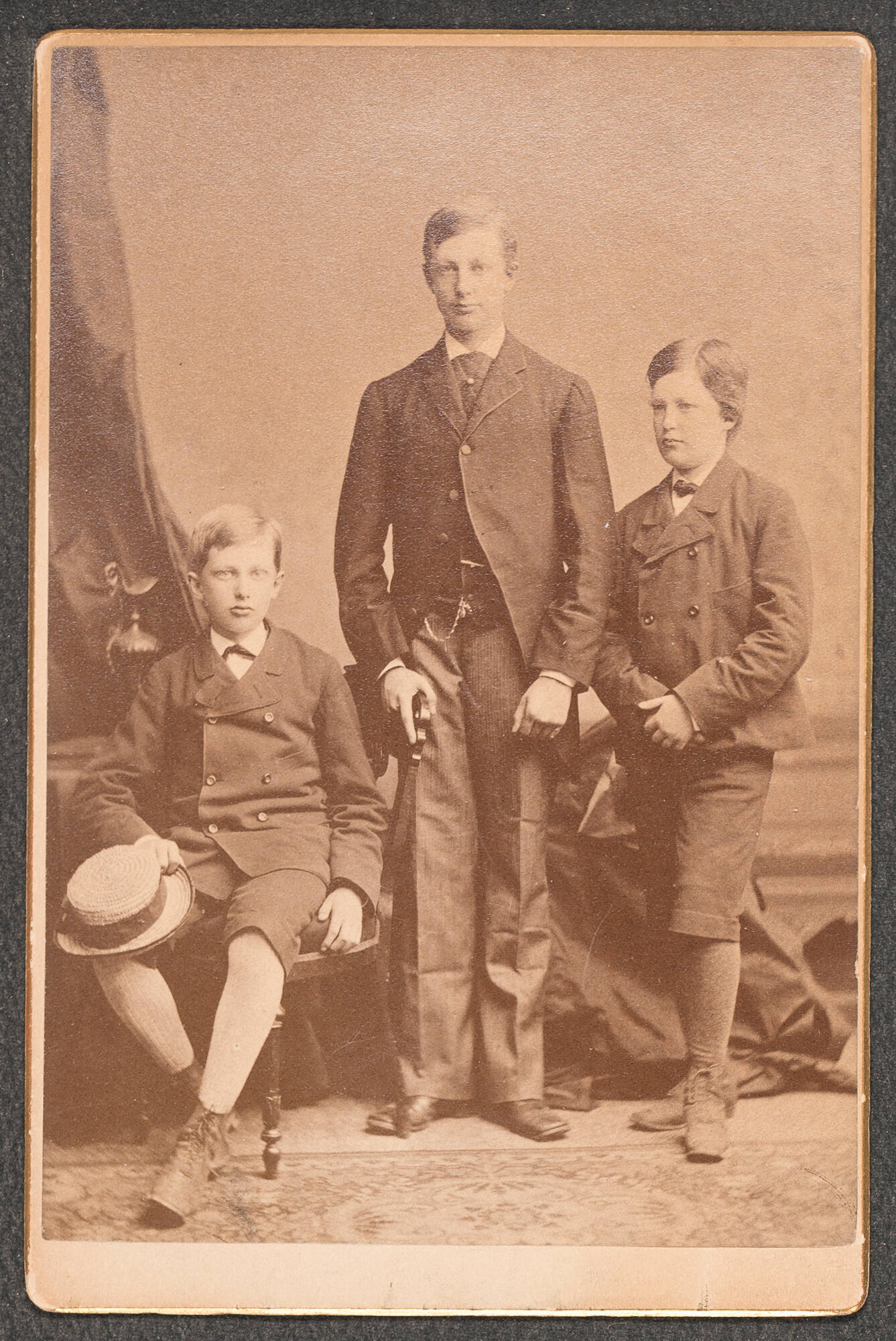
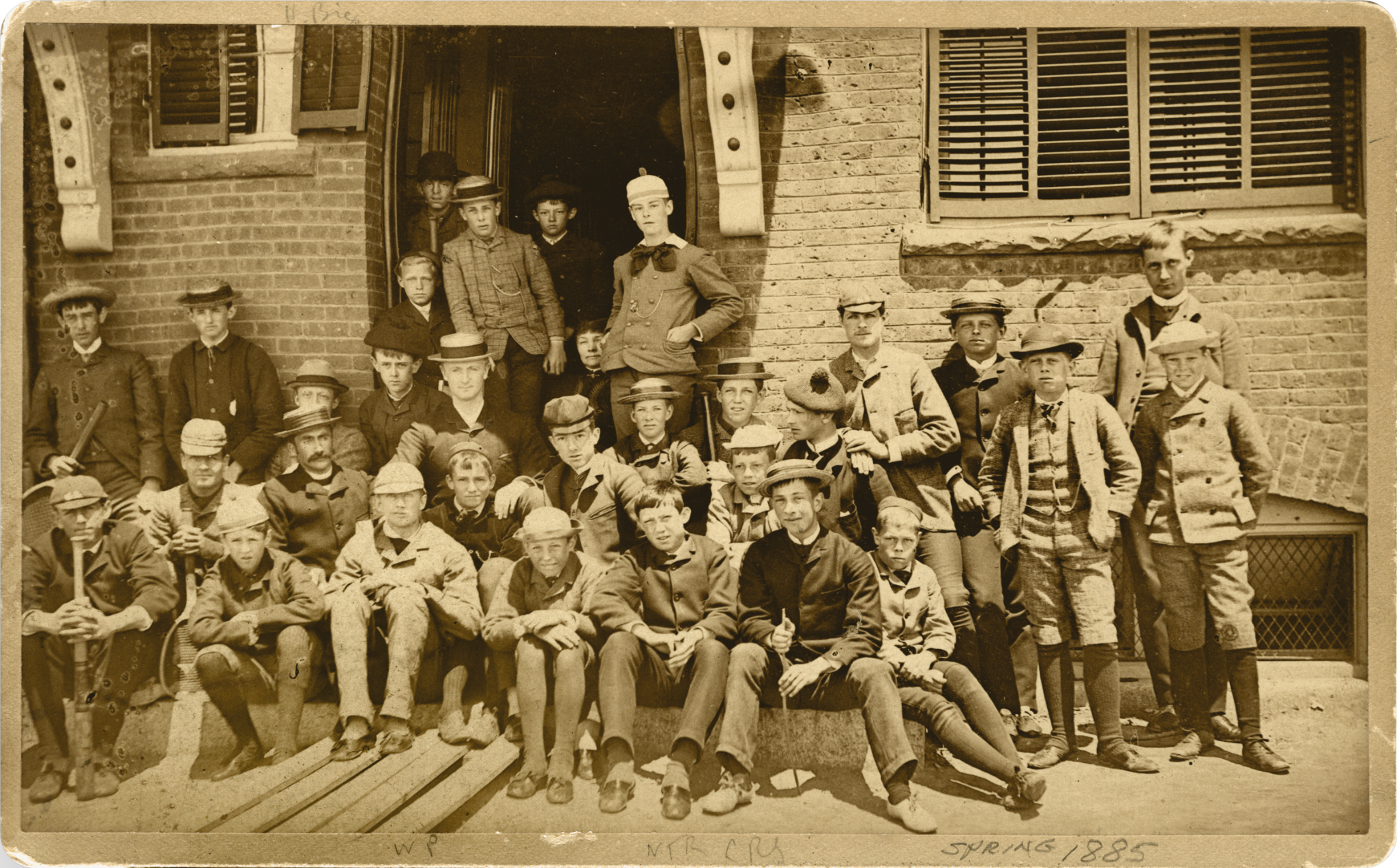
An experiment in education
Gardner joined two other young men, still in their twenties, to found Groton School, one of the turn of the twentieth century's most influential educational institutions in 1884. The school's early culture joined classical learning, Christian ideals, and close personal relationships, instead of the animosity often common between teachers and students at the time.
The biography reconstructs this formative period through school archives, family papers, unpublished correspondence, and photographs.
Society figure, yachtsman and world traveler
Gardner's life extended far beyond the classroom. His wealth and connections enabled him to move freely among Boston's Gilded Age elite. His life intersected with such well known figures as Henry James, John Singer Sargent, George Santayana, and Henry Cabot Lodge. Whenever he was in Washington, he dined with Theodore Roosevelt and his family at the White House. Sometimes roughing it, sometimes traveling in great luxury, he traveled extensively in Europe, the West Indies, Asia, and North Africa. He loved life afloat and owned three large yachts in the course of his lifetime.
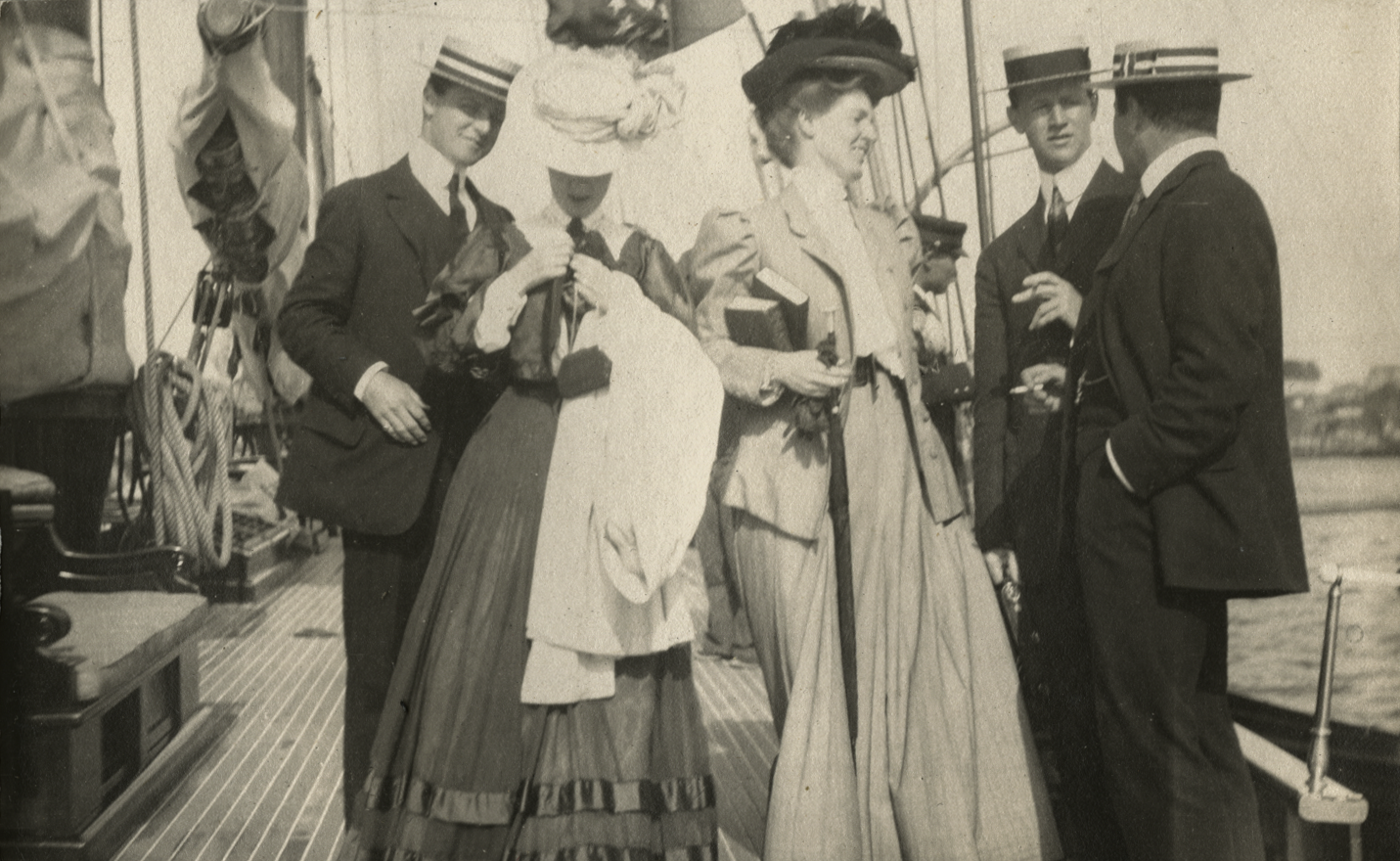
Commodore Gardner
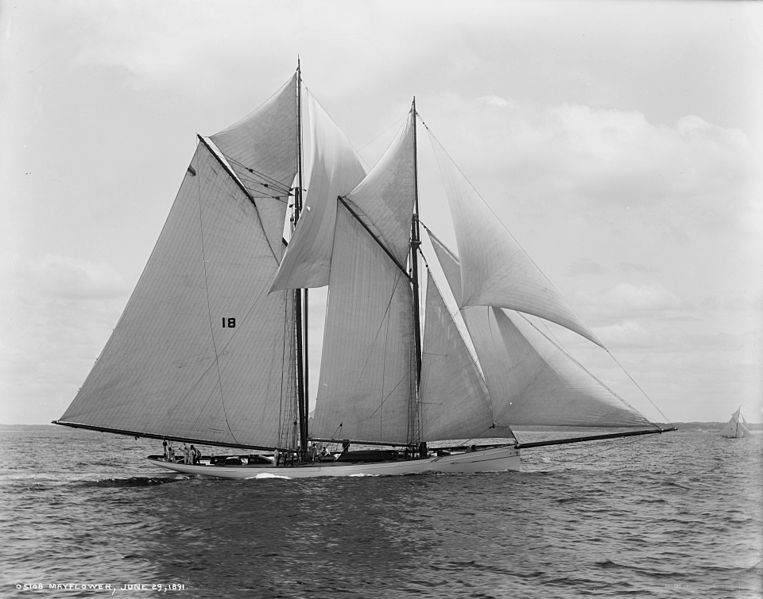
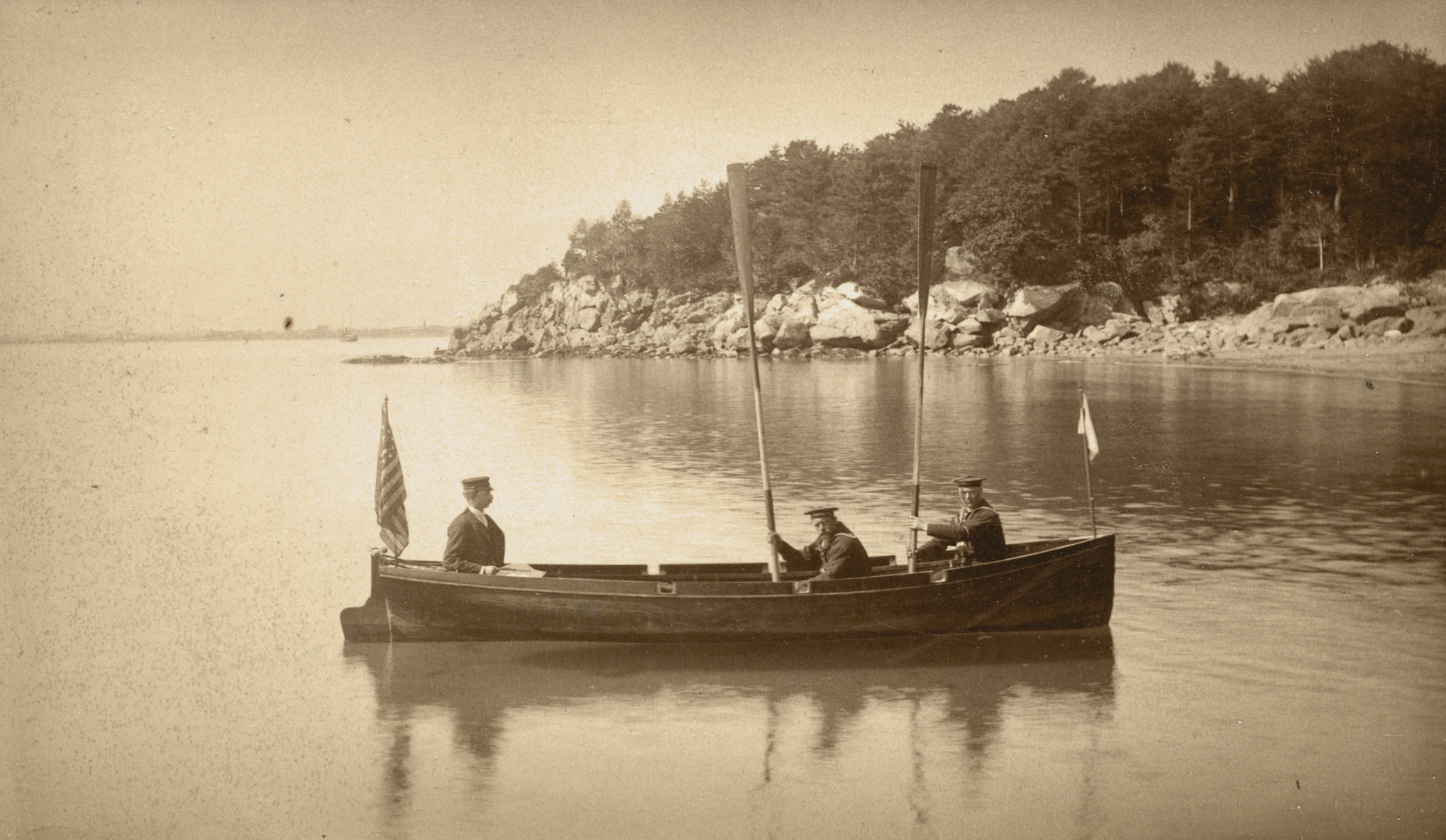
Gardner loved life afloat. His most famous yacht was Mayflower, the successful America's Cup defender in 1886. Each summer he met the New York Yacht Club cruise in Newport, where he once won the Goelet Cup and enjoyed a celebratory dinner with the Vanderbilts. He was commodore of the Eastern Yacht Club multiple times and would sail down east with their fleet to Roque Island, Maine, the Gardner family's private island.
From Greece to the Nile
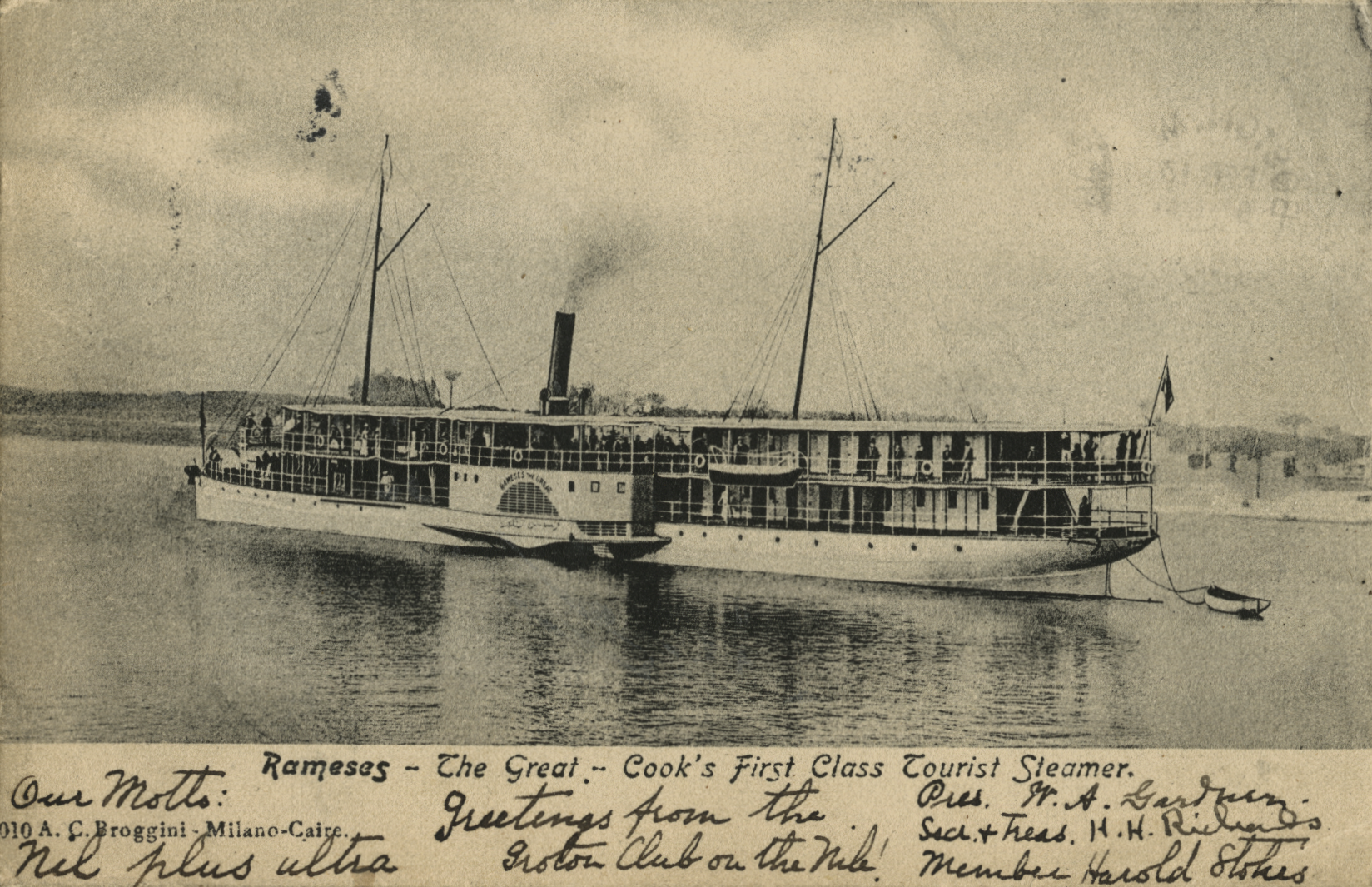
He traveled by muleback through rural Greece visiting many of the most famous classical sites when they were first being excavated. He journeyed up the Nile aboard the first-class tourist steamer Rameses the Great—episodes that reveal a cosmopolitan life far removed from the conventional image of the New England schoolmaster.
A life partly hidden
Behind Gardner's privileged and sociable public life lay a private world that he could not openly acknowledge.
Surrounded by friends and admiring former students, he never married. As a gay man living at a time when openness could carry grave personal and social consequences, he was compelled to keep an essential part of his life private.
The biography considers that private history within the tightly ordered society of Gilded Age Boston, while following the friendships and institutions that shaped his life.
Photographs & places from Gardner's life
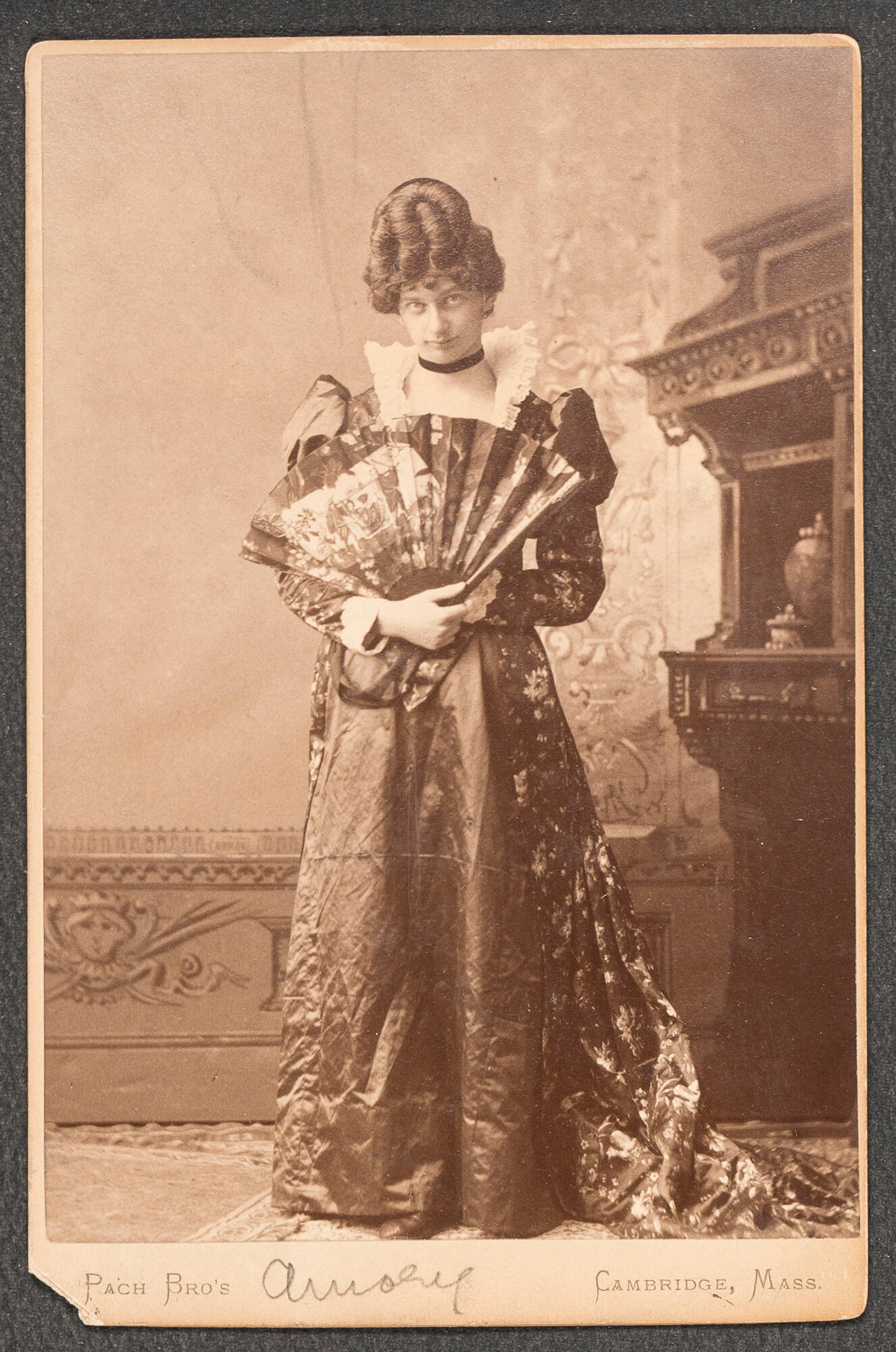
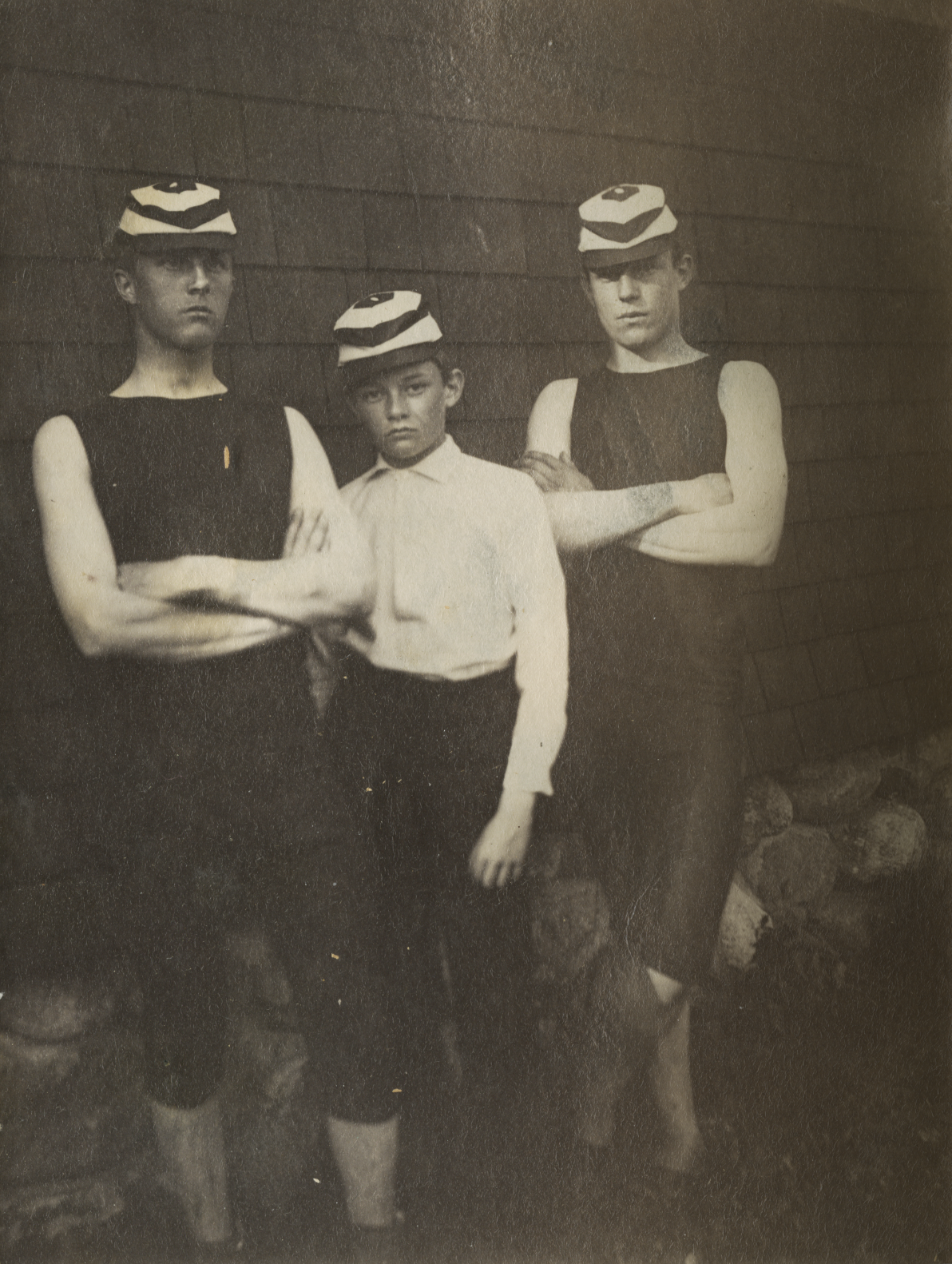
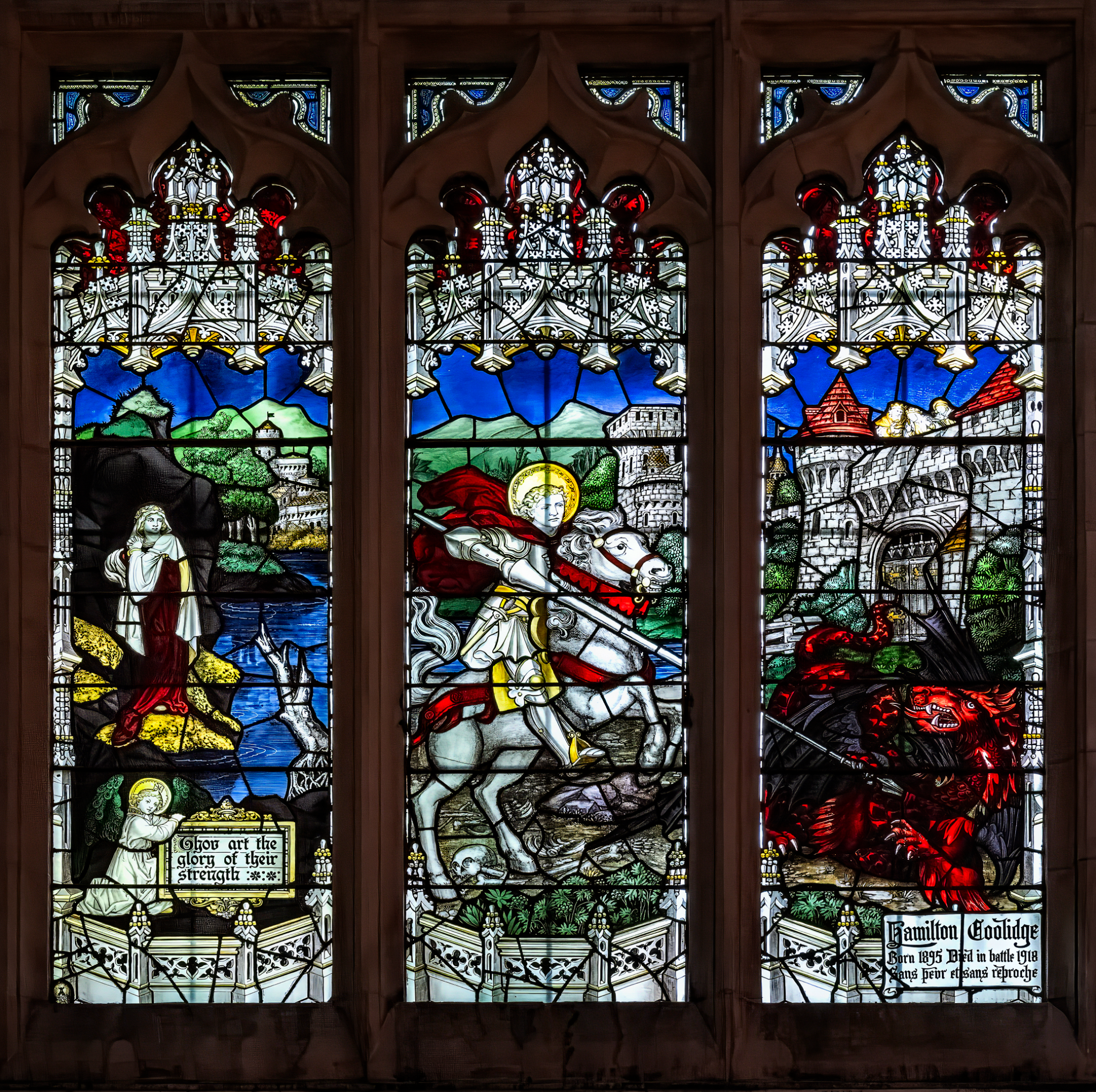
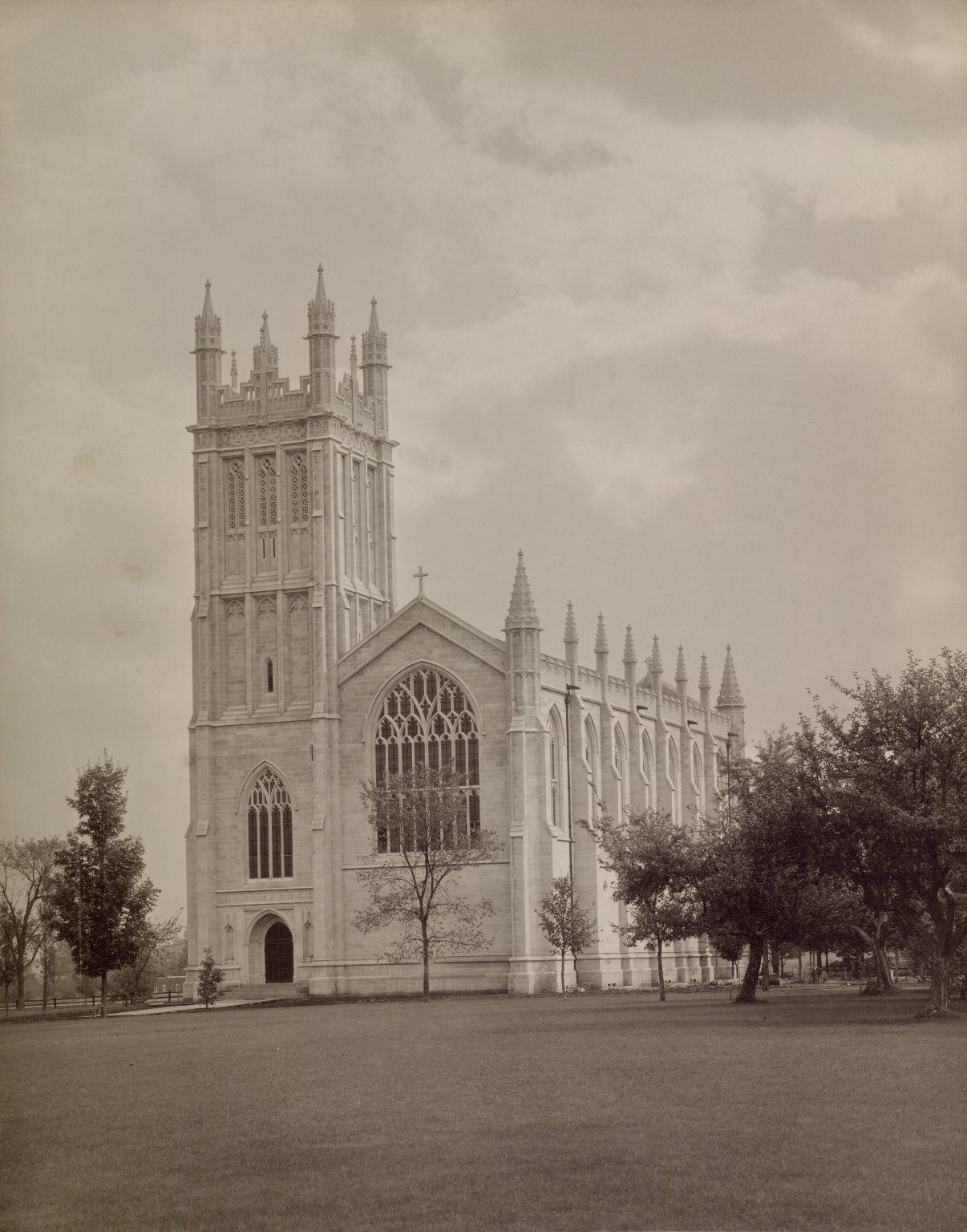
The book is illustrated with 94 full-color images, including photographs taken by Gardner himself. This selection offers a glimpse of the people, places, and experiences at the center of his story.
Discover the full story
Drawing on unpublished letters, family papers, and school archives, the book offers new insight into Isabella Stewart Gardner and her circle, the founding and early culture of Groton School, elite American education at the turn of the twentieth century, and the privileged but tightly ordered society of Gilded Age Boston.

Scan the QR code with your phone to order through IngramSpark, or use the button above.